the land
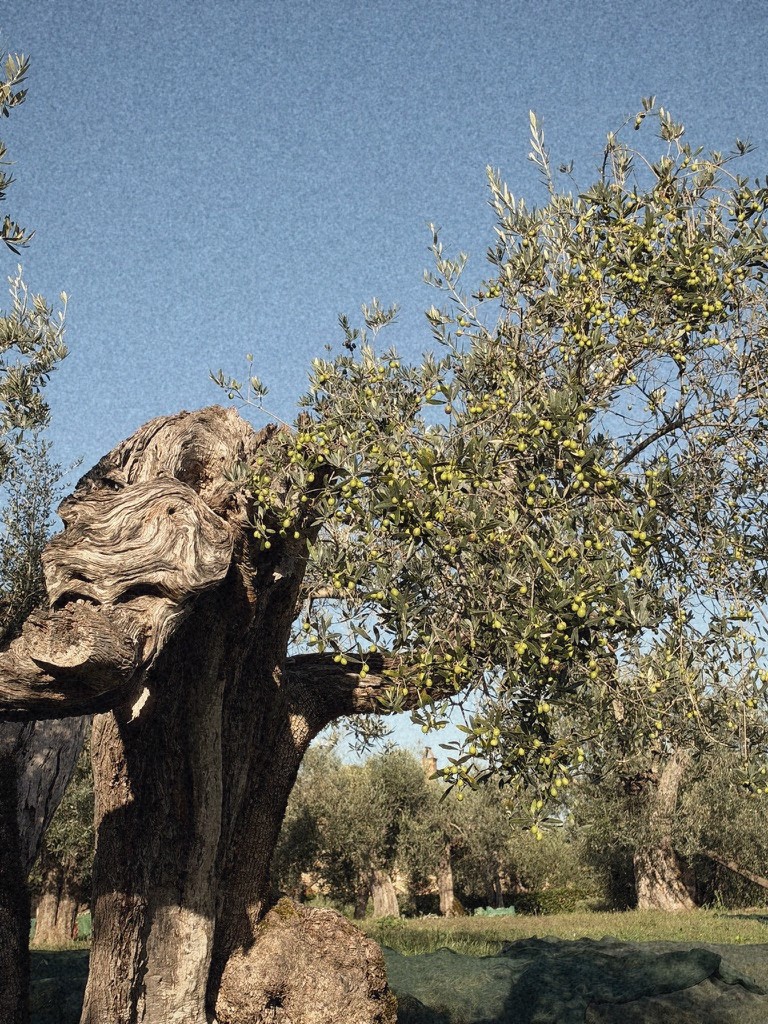
This is very old ground.
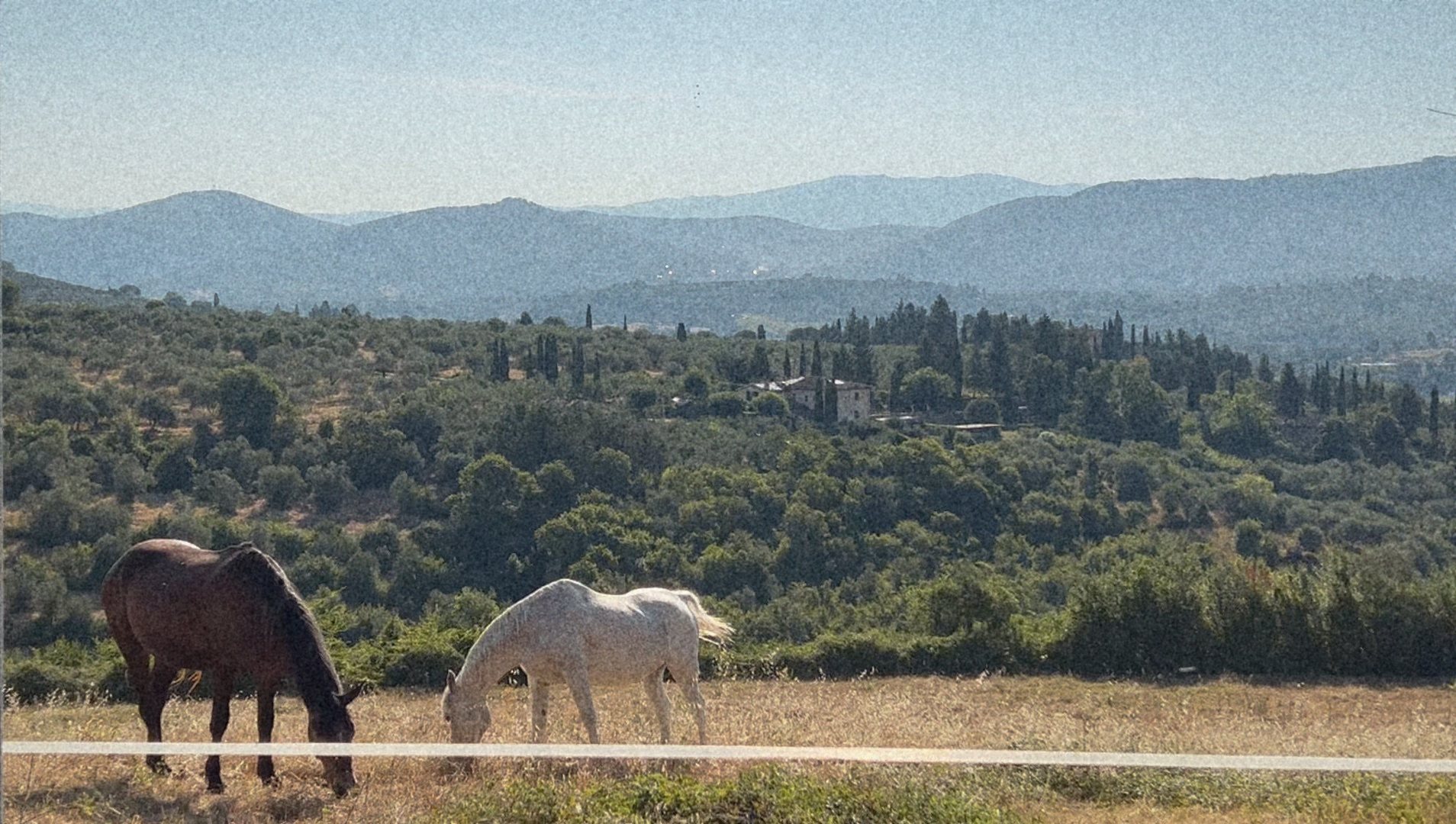
On Camporena, the hill above Soiano, the stone holds the fossil leaves of vines some three million years old. Vines still grow on these hills.
The Etruscans
They farmed these hills first, while the valleys below were still swamp: grain, vines and olives on the high ground. At La Collina, here on the estate, one of their funerary stones was found: a bearded warrior with shield and spear, dead at 47.
The Romans
Rome came, and the hills stayed planted. Olives and vines on the same slopes, for the same reasons: stony, free-draining ground and sun from every side.
1329
Florence and Pisa fought over this border. Castles rose on every hilltop and changed hands as the map of Italy was redrawn. On 27 September 1329, Florence paid 300 gold florins to tear down the castle of Camporena, on the hill above Soiano, before Pisa could take it. Rebuilding was forbidden. The stones came down the hill, and Soiano was built from them. Every bottle carries the year.
They say a tunnel still runs from the ruins past the farm, hiding a golden hen and her golden chicks. No one has found them yet.
Since then
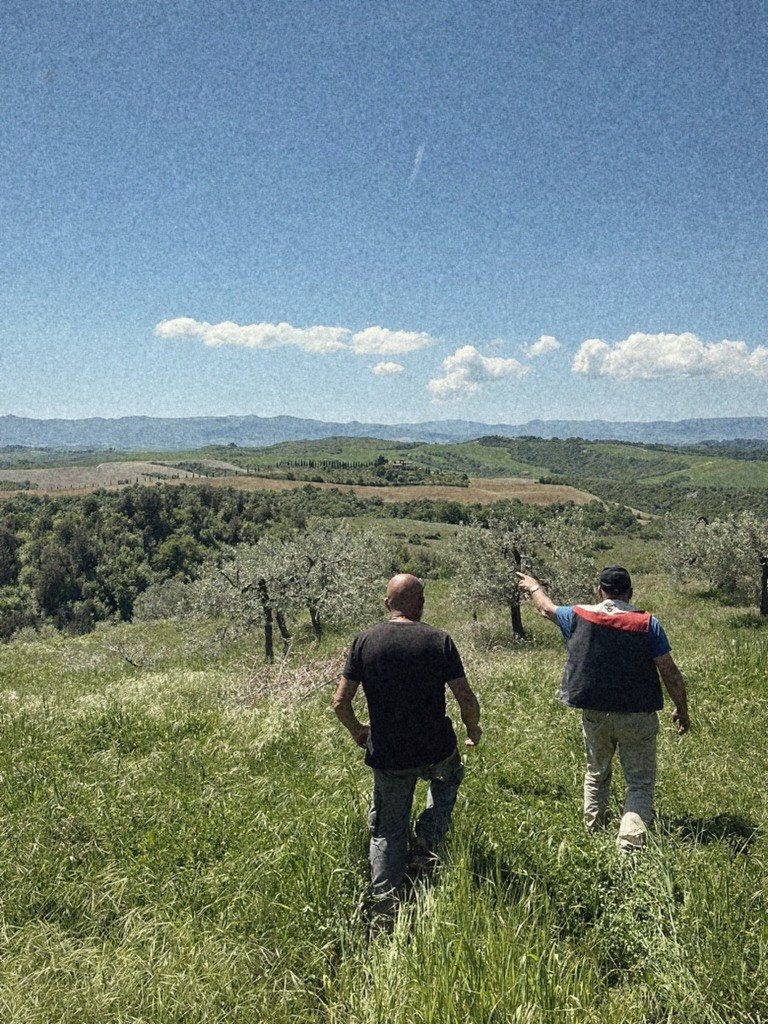
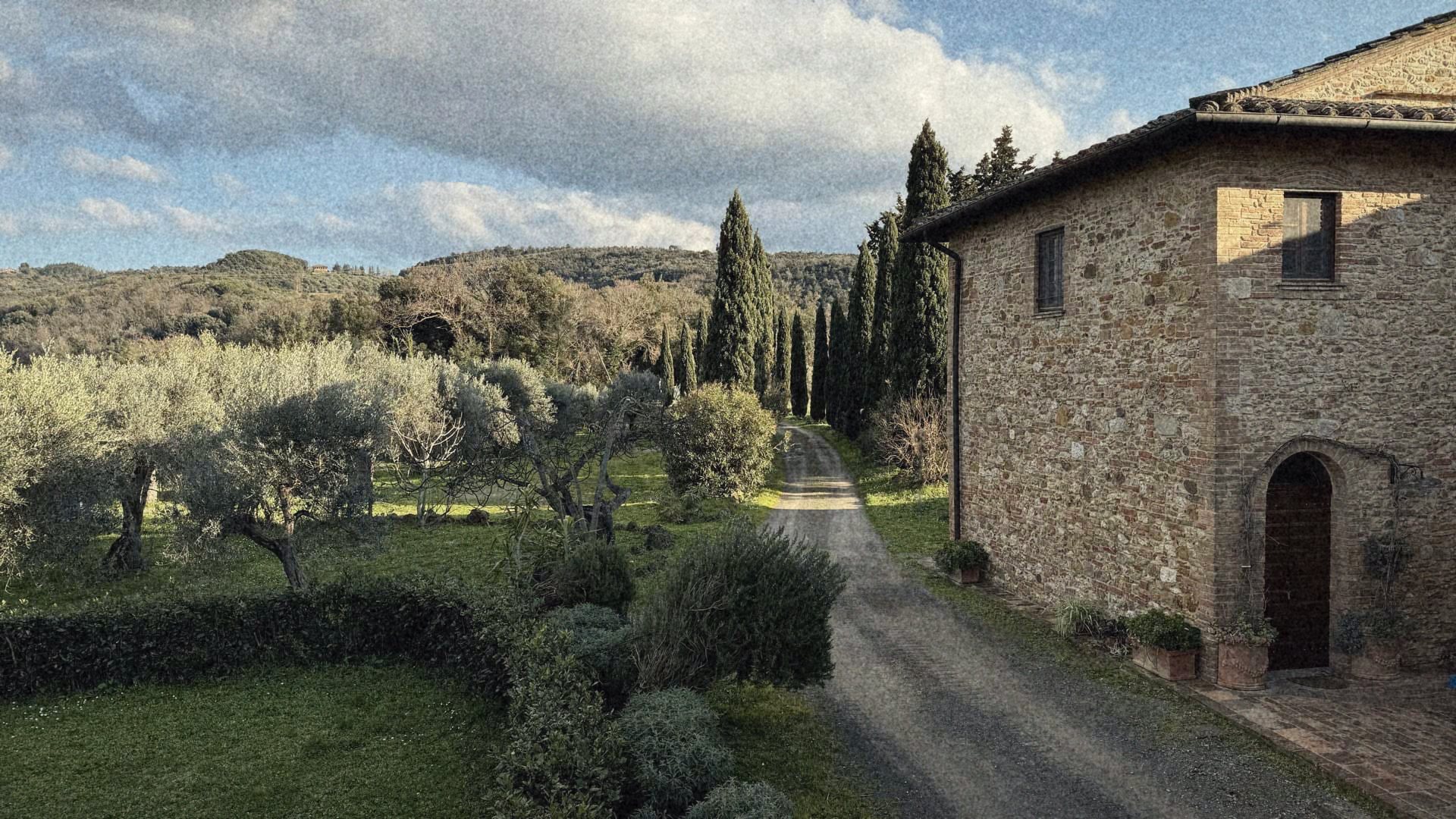
The land has been farmed ever since. Under the floor of the house are a medieval olive press and three grain pits, cut eight feet down, where farmers hid their harvest from passing mercenaries. Sharecropping families worked the land for nearly two hundred years, from the Danis in 1770 to the last, who left in 1960. The trees stayed: some 1,500 of them, still bearing.
Now
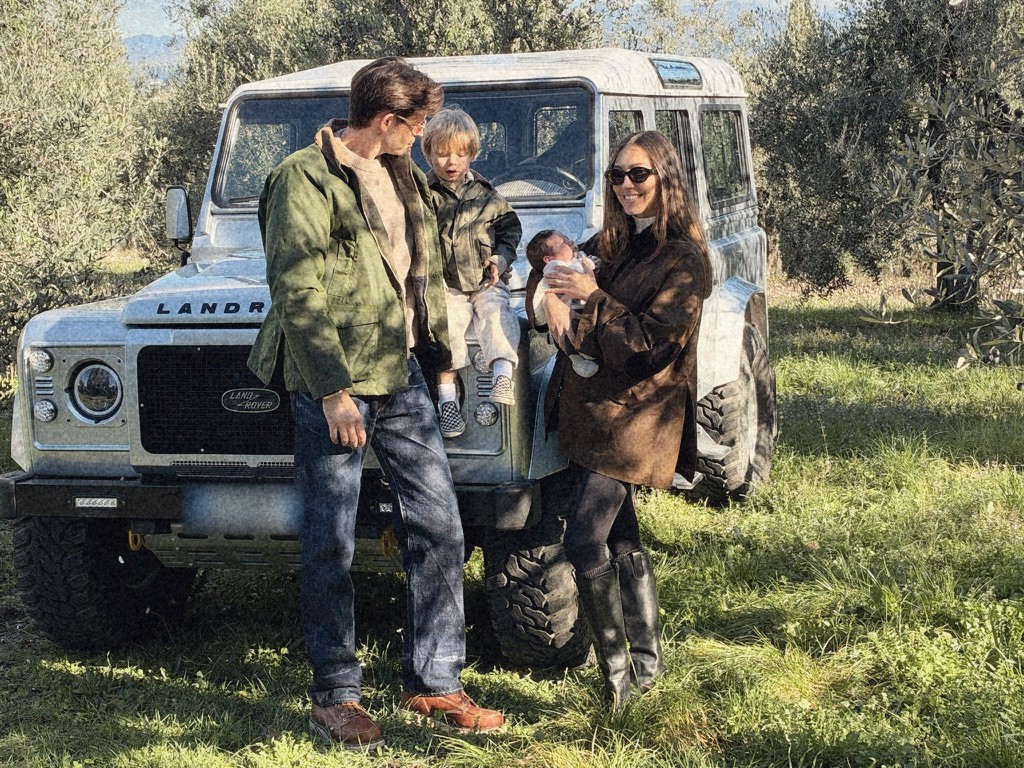
Nearly seven centuries on, the work is ours.